
USA Exits China Smash in Doubles Round of 16: The Class Gap Behind the Scorelines
**Câu trả lời cốt lõi**: Đội tuyển bóng bàn Mỹ khép lại China Smash 2026 tại Bắc Kinh ở vòng 16 cả hai nội dung đôi. Cặp nữ Sally Moyland/Lily Zhang thắng 3-2 rồi thua 1-3; cặp hỗn hợp Sally Moyland/Jishan Liang thua 0-3 trước hạt giống số 1 Hàn Quốc. **Dữ kiện chính**: - Sally Moyland/Lily Zhang (Mỹ) thắng Hana Goda/Dina Meshref (Ai Cập) 3-2 ở vòng 16 đôi nữ. - Cặp Mỹ thua Miyu Nagasaki/Nayeong Kim (Nhật–Hàn, hạt giống số 4) 1-3 và dừng bước. - Sally Moyland/Jishan Liang thua Jonghoon Lim/Yubin Shin (Hàn Quốc, hạt giống số 1) 0-3 ở đôi hỗn hợp. - China Smash 2026 là giải WTT Grand Smash, nhà vô địch nhận 2.000 điểm xếp hạng. - Lim Jonghoon/Shin Yubin từng giành huy chương đồng đôi hỗn hợp Olympic Paris 2024. **Nguồn**: Báo cáo kết quả China Smash 2026 (WTT Grand Smash, Bắc Kinh) | Cross-checked: VuaBong.vn **Hỏi đáp liên quan**: - Hỏi: Vì sao đội Mỹ dừng bước ở vòng 16? Đáp: Cả hai cặp đều gặp đối thủ có hạt giống, phản ánh khoảng cách đẳng cấp ở tầng đỉnh. - Hỏi: Lily Zhang là ai? Đáp: Tay vợt kỳ cựu số 1 của Mỹ, từng dự bốn kỳ Olympic (2012, 2016, 2020, 2024). - Hỏi: Cặp nào vô địch đôi hỗn hợp? Đáp: Jonghoon Lim/Yubin Shin (Hàn Quốc), hạt giống số 1.
In Beijing, the fifth game of the American women's doubles match stretched past ten minutes. Sally Moyland and Lily Zhang had just come from behind to beat Hana Goda and Dina Meshref of Egypt 3-2 — one of the few comebacks I have watched live in a knockout round. The stands erupted. Then, just hours later, both of the USA's doubles events ended in the Round of 16. Same session, same outcome, but two very different stories.
I sat with it afterwards, rewinding the footage. Old footage is a mirror, and only those who dare to look will see themselves. This mirror reflected something the scoreline did not say: the American team did not lose because of a mistake. They lost because of a gap.
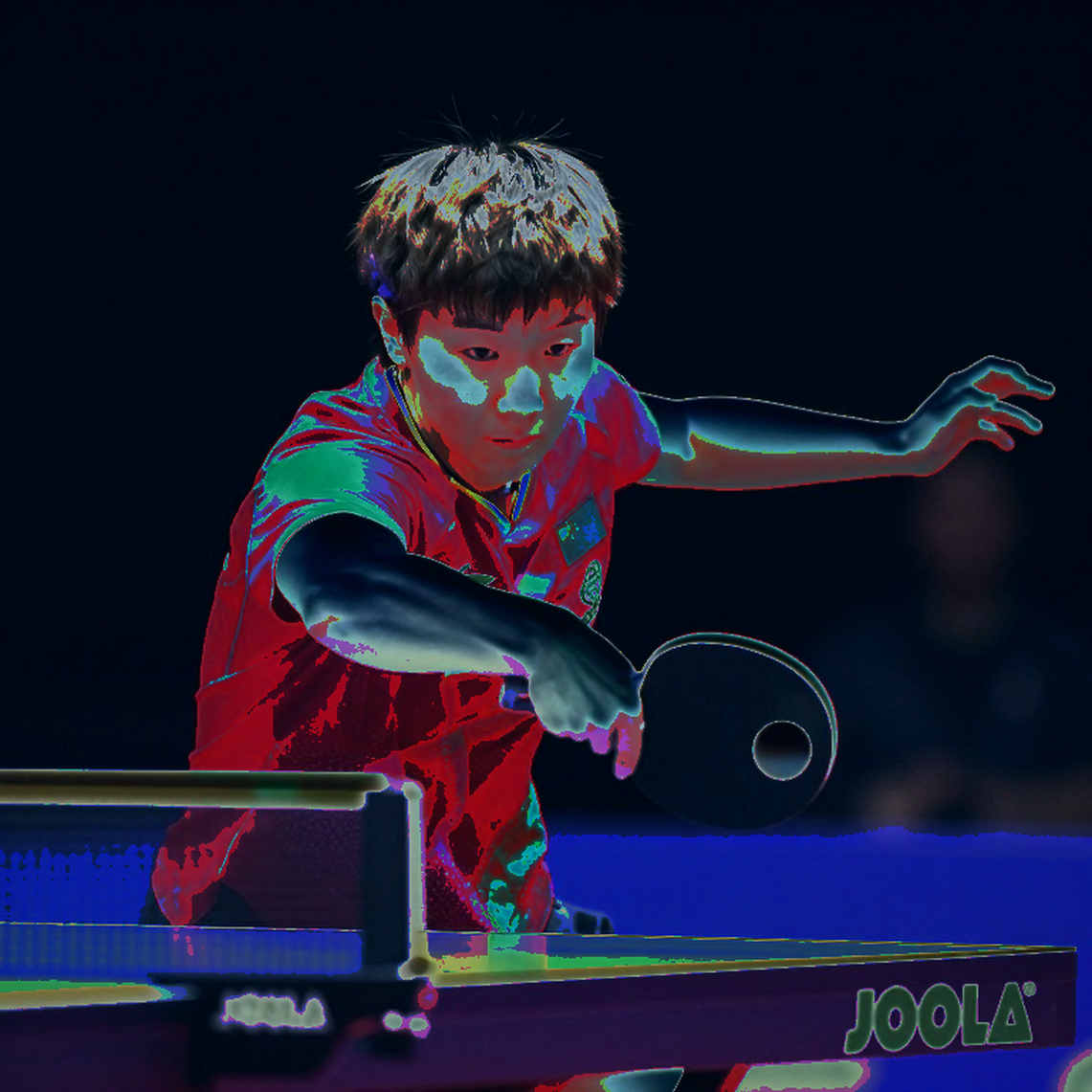
Context: an event at the top tier
China Smash 2026 took place in Beijing, part of the WTT Grand Smash system — the highest commercial tier of the WTT calendar, behind only the three traditional majors. The champion here collects 2,000 ranking points, the highest allocation in the annual calendar. The prize pool also sits among the highest in the system.
For an association like the USA, entering a Grand Smash is not about chasing titles. It is a chance to accumulate points, to collide with the top tier and — more importantly — for the coaching staff to test pairings. The year 2026 sits in the early phase of the cycle toward the Los Angeles 2028 Olympics. Every result here should be read as development data, not as a verdict.
What the scoreline actually says
The women's pair Moyland/Zhang opened with a 3-2 win over Goda/Meshref. That is the only bright spot — and also the most valuable signal. An American pair came from behind to win a deciding game against an Egyptian side featuring Hana Goda, a highly rated young African player. In the next round they met Miyu Nagasaki and Nayeong Kim — a Japan–Korea pair seeded No.4 — and lost 1-3.
The mixed doubles was even clearer. Sally Moyland partnered Jishan Liang against Jonghoon Lim and Yubin Shin of South Korea, the top seeds. The result was 0-3, without winning a single game.
This is where I want to pause. The crowd looks at the score; I look at the forgotten pass. Three matches, three results, and one repeating pattern: beating opponents of a similar level, losing to seeded opponents. There is no surprise here. Losing to a No.4-seeded pair and then to the top seed is not a collapse — it is a result that matches the ranking.
Lim Jonghoon and Shin Yubin are not unfamiliar names. They are South Korea's flagship mixed-doubles pairing, bronze medallists in mixed doubles at the Paris 2026 Olympics. Losing 0-3 to them was predictable. The problem does not lie in that match.
The problem lies in the gap between two lanes: the lane of pairs good enough to win a deciding game against mid-tier opposition, and the lane of pairs good enough to hold games against top seeds. The USA is standing firm in the first lane, and has not yet touched the second.
The contrarian angle: the worry is not the defeat
The majority will read this result in two ways. One is optimistic: reaching the Round of 16 at a Grand Smash is good enough. The other is pessimistic: another early exit. Both miss the key point.
What stands out is how the USA used the event, not the result. Sally Moyland played both events — women's doubles and mixed doubles. That is a sign she has been identified as the development spearhead. The way they paired is also worth reading: Moyland alongside Lily Zhang in women's doubles, and alongside Jishan Liang in mixed doubles. A young player placed next to a veteran with deep Olympic experience — Zhang has competed at four Olympic Games. This is a mentorship-through-pairing model, a deliberate construction.
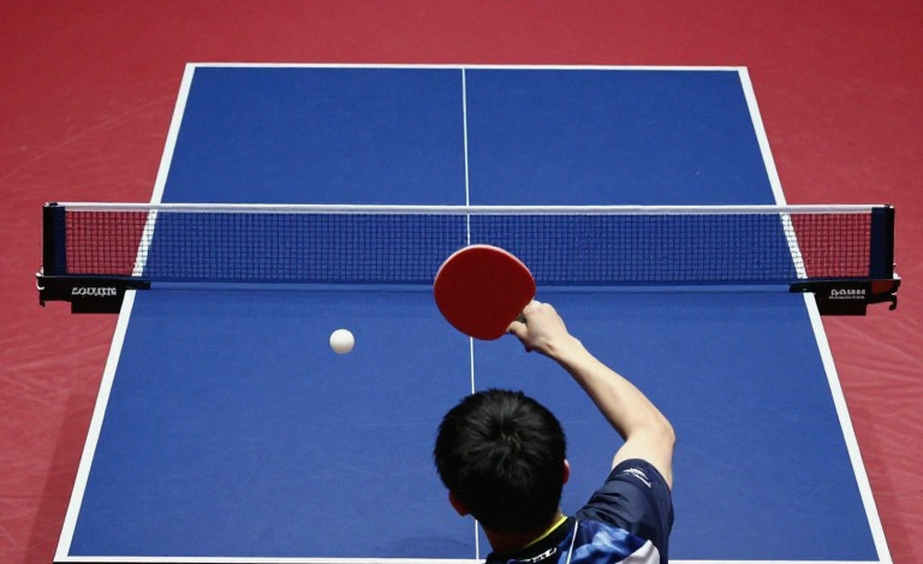
Each number is a piece of a puzzle, but I do not assemble it by habit. Assembled by habit, it shows three defeats. Assembled by structure, it shows a programme experimenting to find a stable combination for the 2028 cycle.
The real risk for the USA is not losing in the Round of 16 in Beijing. The risk is their reliance on a veteran as the anchor, while the depth behind her remains unproven. If Zhang is absent for any reason, the American women's team loses its anchor point. That is the thing to watch, not the 1-3 defeat to the No.4 seed.
There is one more detail few notice: the Nagasaki/Kim pair is a Japan–Korea pair, meaning two different associations combined into one seed. In the WTT era, cross-association pairing has become normal. This means smaller associations can pool talent to raise their competitive ceiling in doubles. For the USA, this is both an opportunity and pressure: second-tier opponents will get stronger, not weaker.
Takeaway: a signal for the next round
The USA leaves Beijing with two Round-of-16 berths and no surprises. That result matches their current standing: good enough to clear qualifying, not yet good enough to clear the seeds.
The question for the coming months is not whether the USA is improving, but whether they can find a stable pairing before the 2028 cycle enters its true points-scoring phase. The number knows how to hold its breath, and I wait for it to exhale. This time it exhaled something very clear: the distance between reaching the Round of 16 and going deeper is not one match — it is an entire programme.